EDUCATION – ERASMUS+
PROJECT AREA
Interculturality / Social inclusion and equality / European identity
My role
As a project partner, my role was to help turn these shared resources into a coherent learning experience that could work across different languages, contexts and learning environments. Interactive infographics (PR1) introduced different topics and connected learners to WebQuests, digital breakouts, quizzes and videos through QR codes. Learners could explore the content and then put their understanding into practice through interactive activities. These resources formed part of the in-service training programme (PR2) for adult educators and were brought together digitally through the CQ+ MOOC platform (PR3).
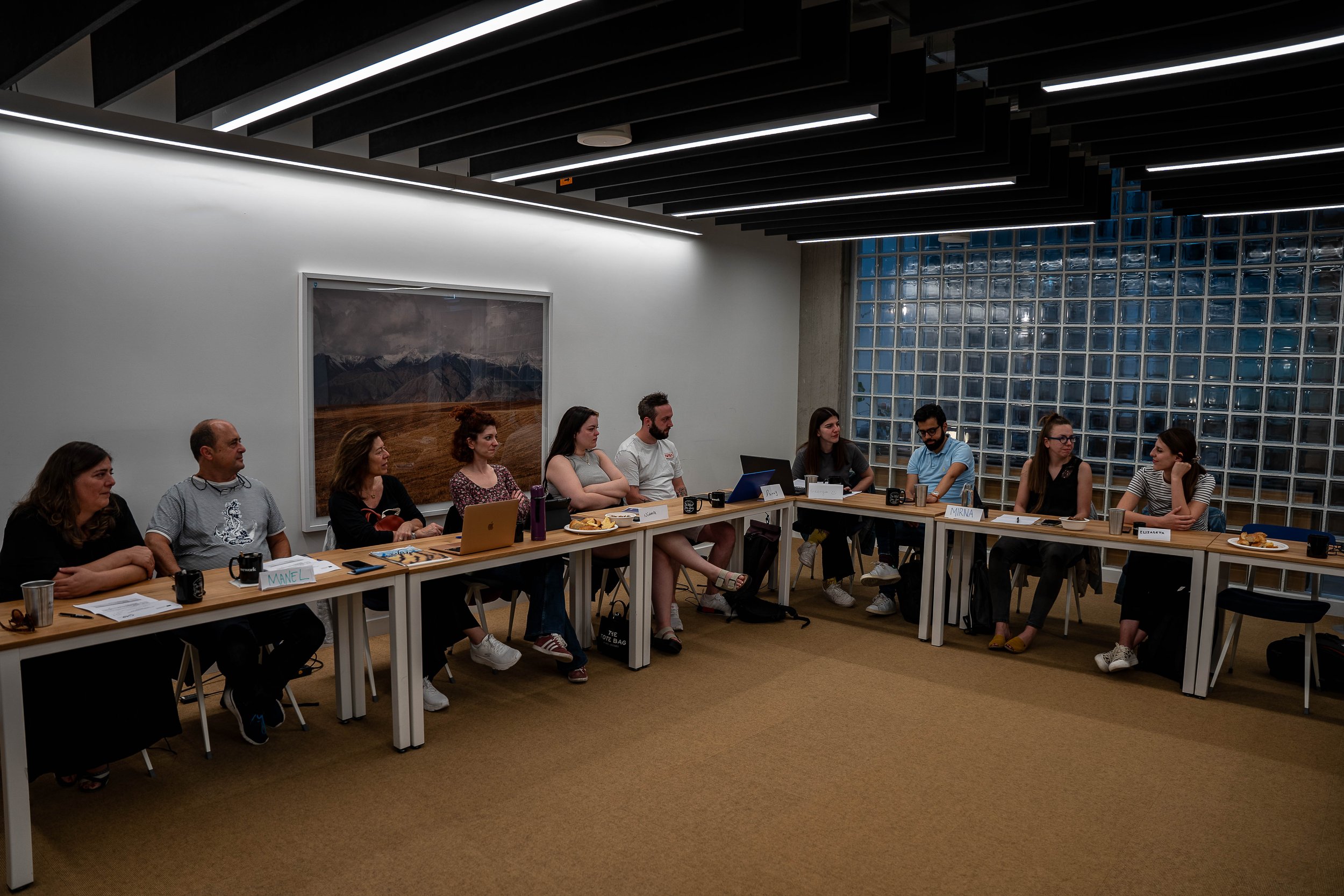
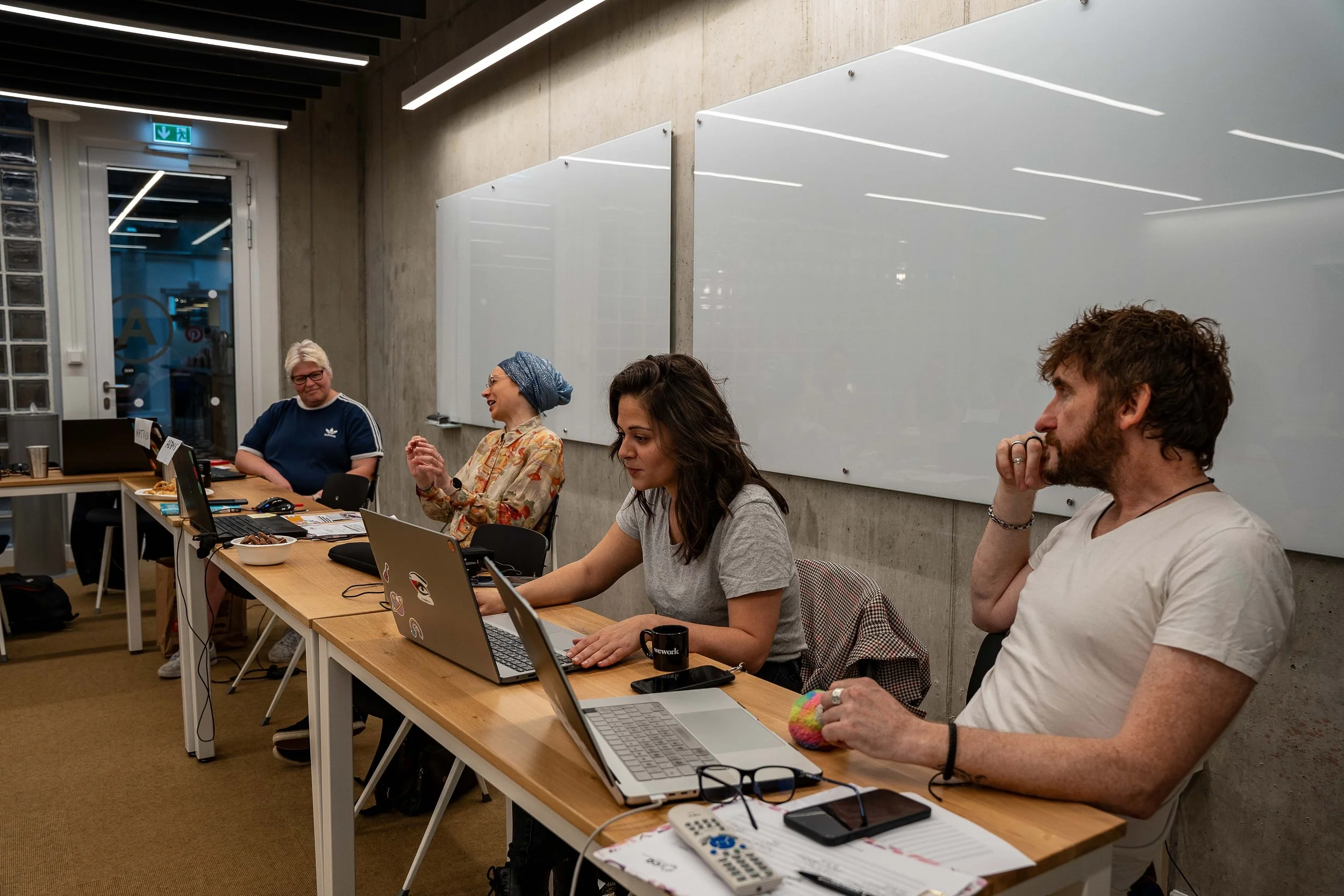
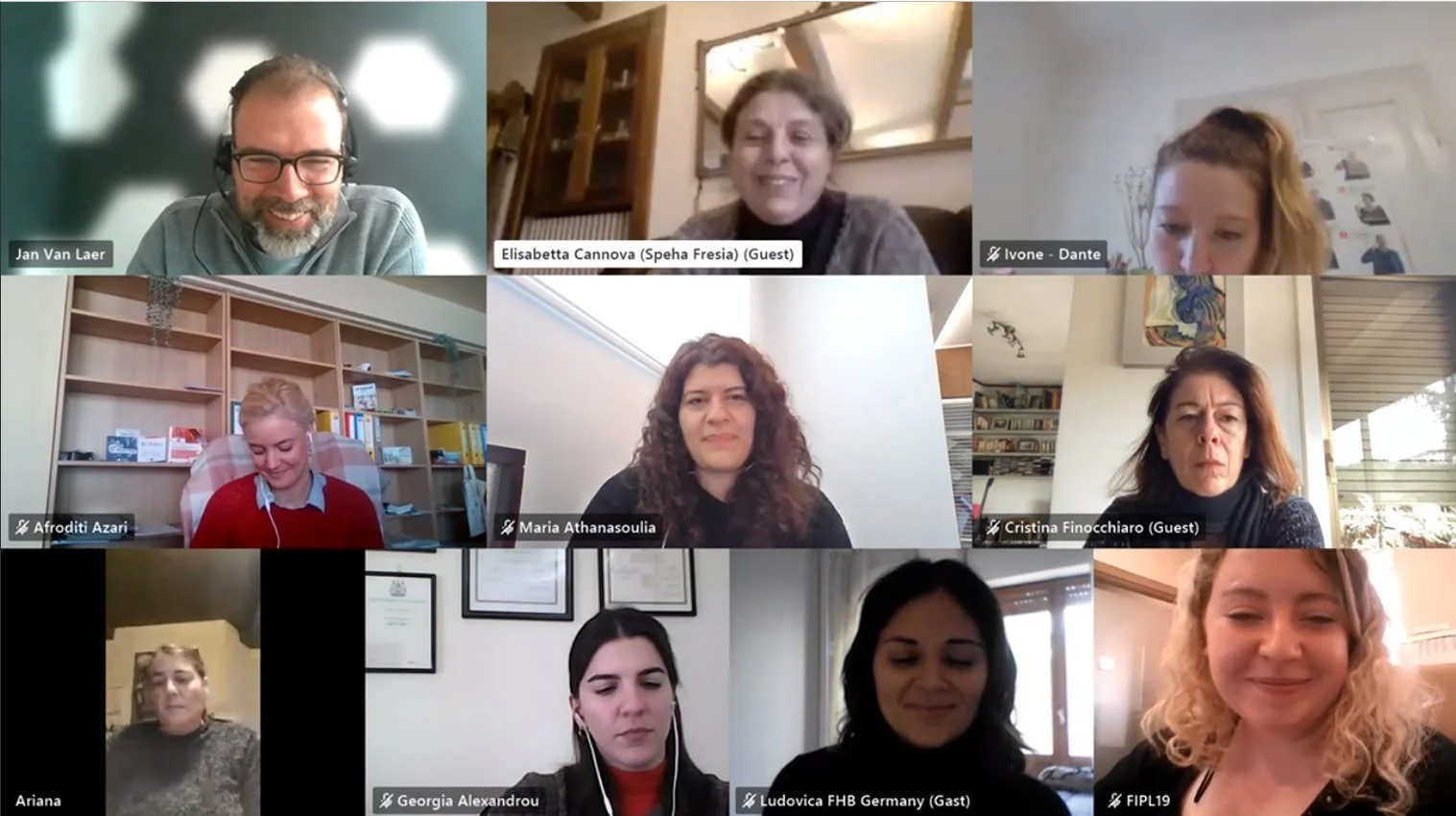
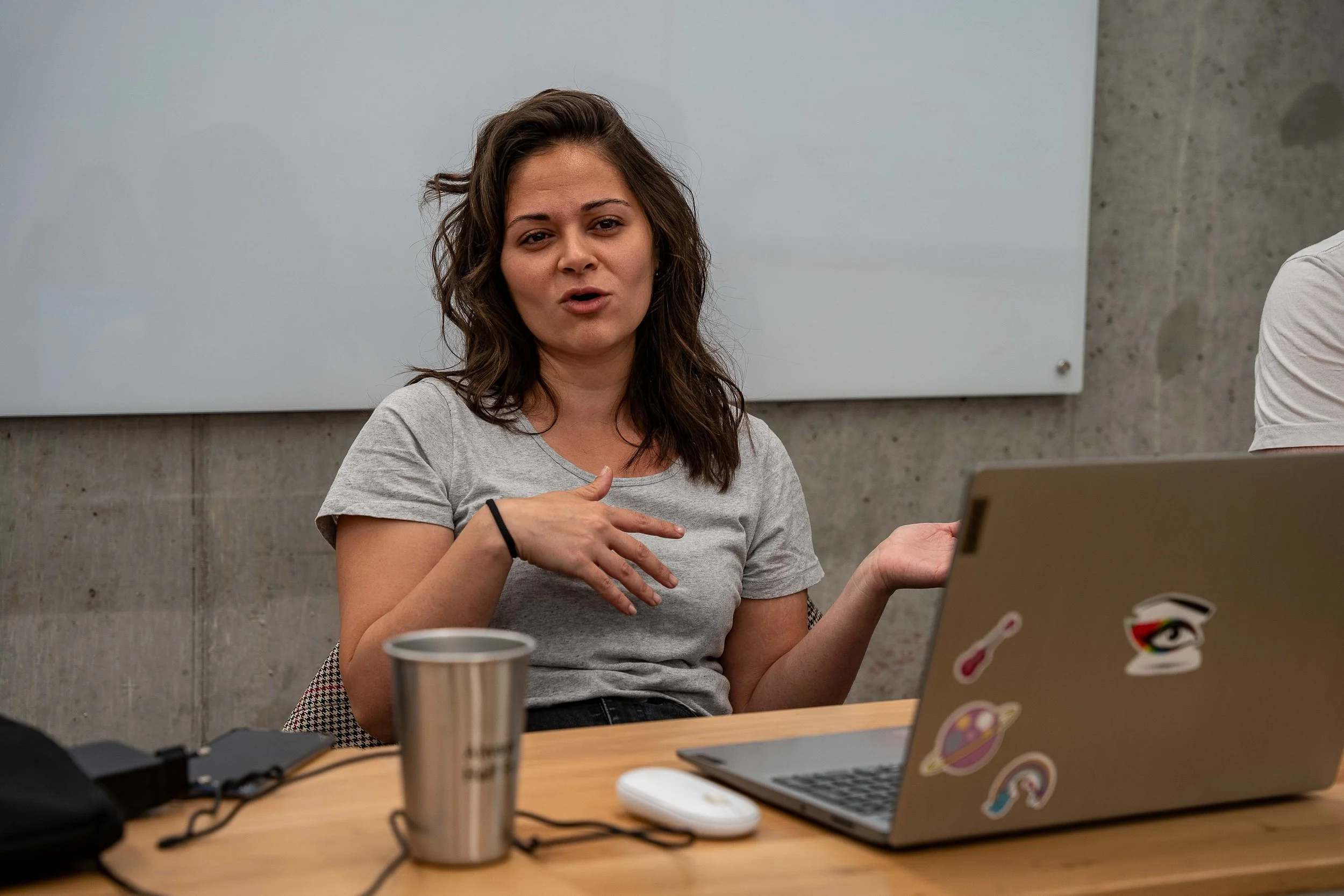
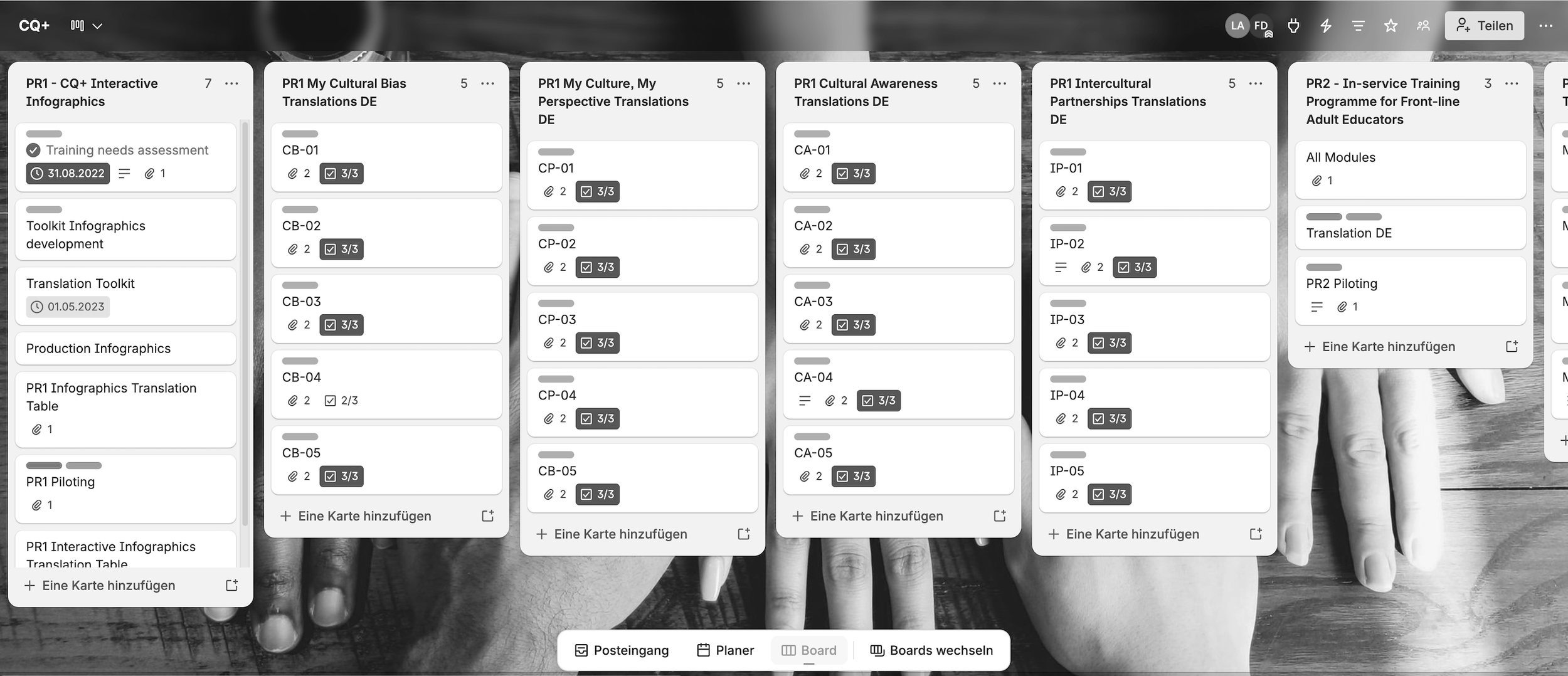
I managed the localisation of PR1 and PR2, as well as the development of PR3, the MOOC platform. To keep flow of development work moving, I managed content workflows on Kanban boards and built additional WBS to help development teams streamline the population of the platform. Throughout the project, each partner supported national piloting activities, using feedback from educators and local stakeholders to help test how the resources worked in practice. Some of the resources were tested during the transnational training activities, including a session in Berlin, using the city’s multicultural environment as a practical setting for exploring cultural intelligence.
CQ+
Developing interactive learning resources for Cultural Intelligence
Trello board
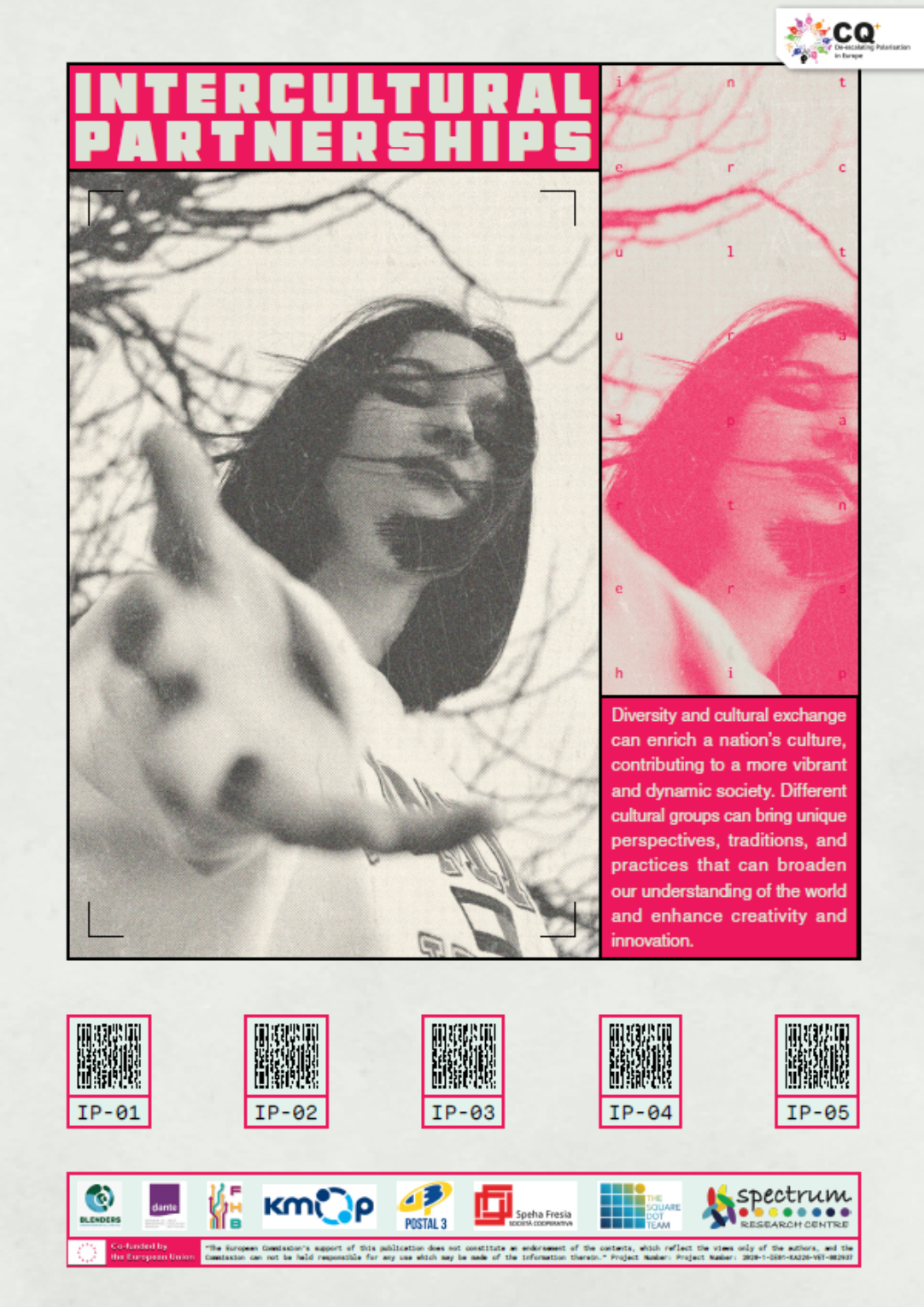
One of the interactive Infographics developed as part of PR1. Infographic: Intercultural Partnerships
The framework behind the infographics
The interactive infographics were built around the CQ+ model, which approaches cultural intelligence through four interconnected dimensions: metacognition, cognition, motivation and behaviour, our ability to think, learn, and act. Using this framework, we developed four interactive learning topics: My Cultural Bias, My Culture, My Perspective, Cultural Awareness and Appreciation, and Intercultural Partnerships, each exploring cultural intelligence from a different angle. Learners were connected to WebQuests, digital breakouts, quizzes and videos through QR codes.
The in-service training programme
Building on the CQ+ model and interactive infographics, the in-service training programme was designed to help educators explore cultural intelligence and bring it into their own educational practice. The learning units moved from understanding cultural intolerance and why CQ matters to exploring the four pillars of the CQ model, its relevance in the workplace, and ways of developing cultural intelligence in adults. The programme also introduced challenge-based learning, providing educators with practical teaching methods to engage their own learners on the topic.
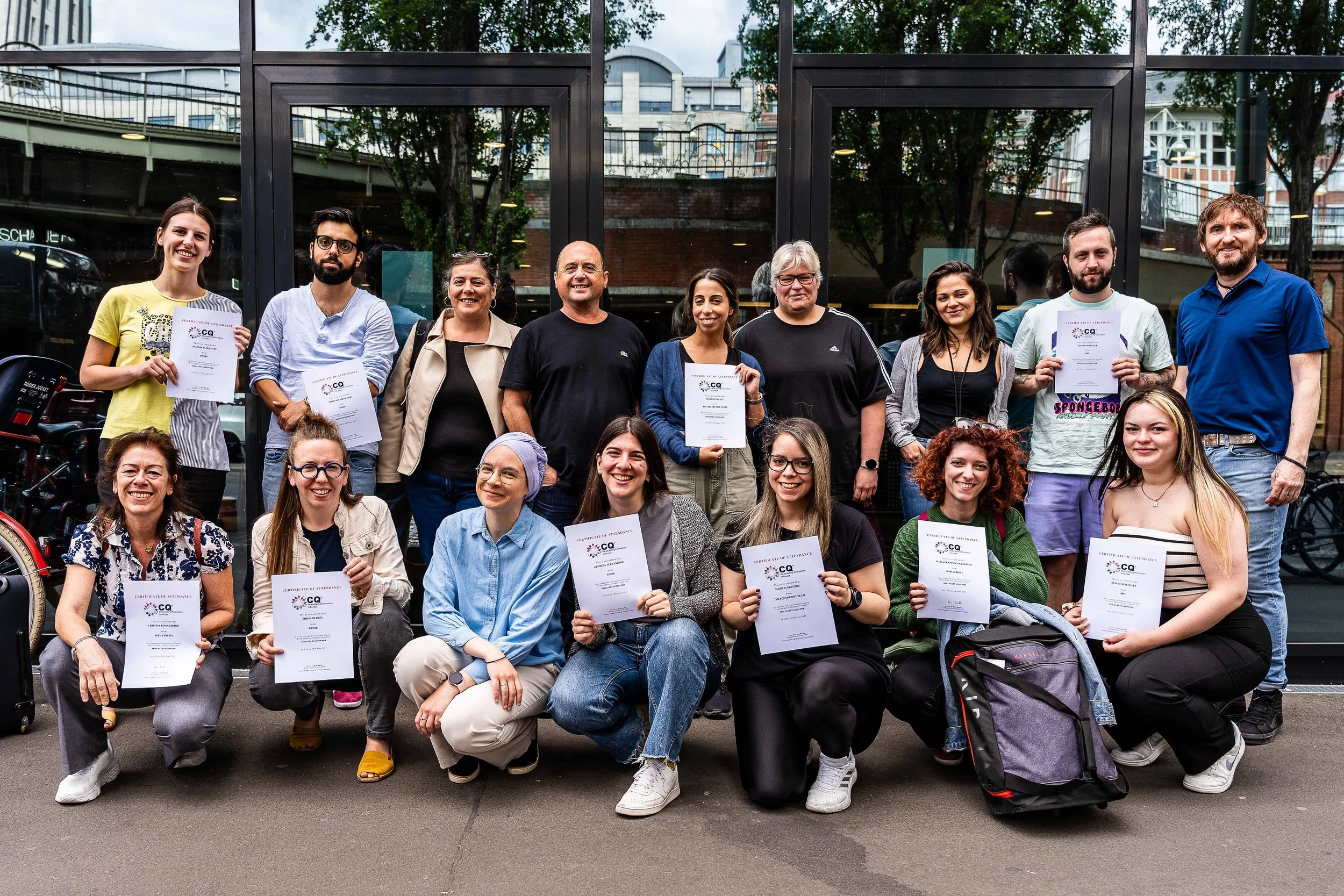
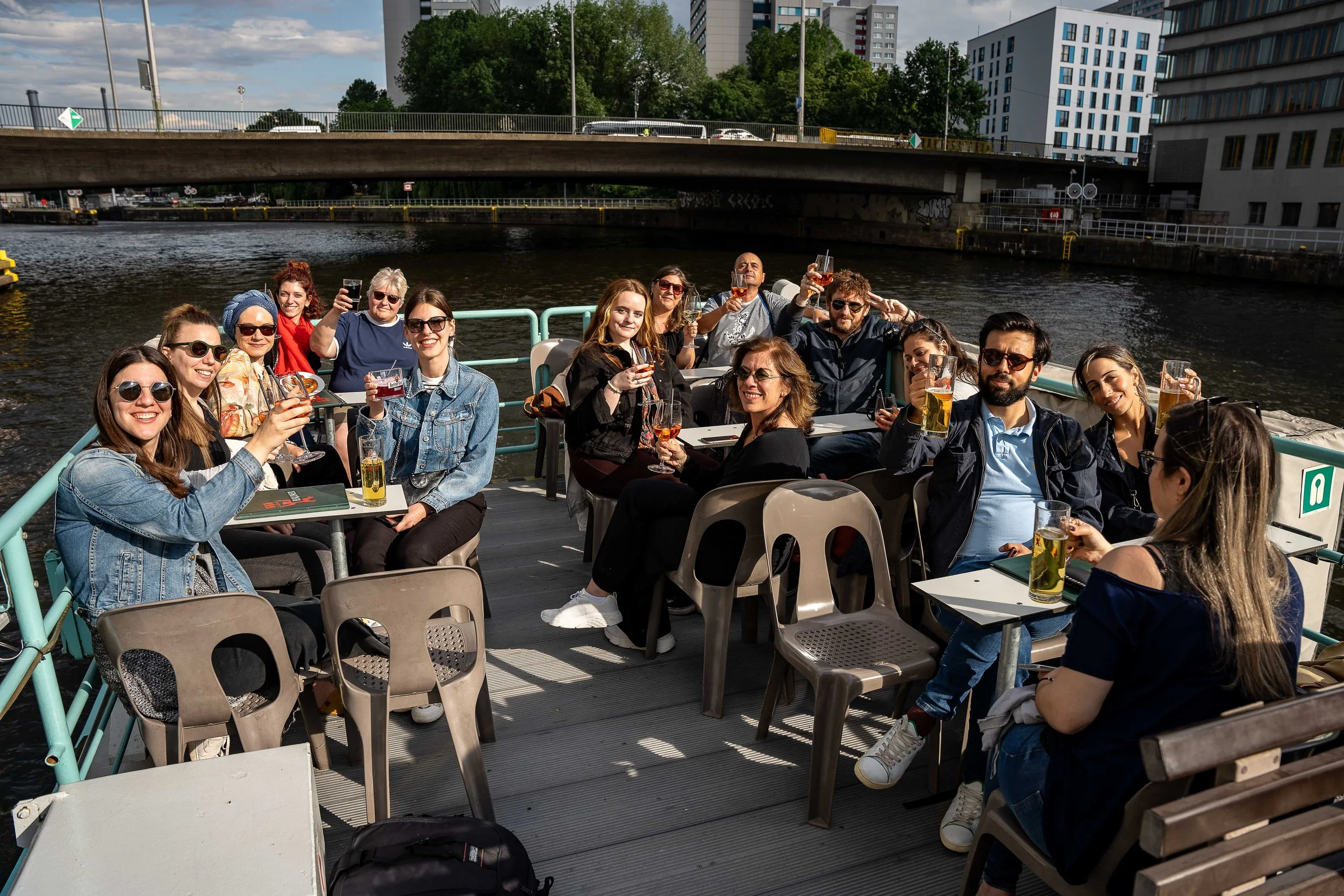
Partners and educators at the Transnational Training Event in Berlin – June 2023
COUNTRIES
Belgium, Croatia, Germany, Greece, Ireland, Italy, Spain
About the project
The CQ+ project focused on developing cultural intelligence (CQ) — the ability to understand, communicate and work effectively across cultural differences. In response to growing polarisation, racism and intolerance across Europe, the project aimed to help adult learners build greater cultural awareness and appreciation of diversity. Together with partners across Europe, we developed digital learning resources and a series of international training activities, turning cultural intelligence into something people could actually explore and practise — both online and in person. The learning experience combined microlearning and multimedia approach to meet the needs of digital learners and make complex ideas around culture, bias and perspective more interactive and engaging.
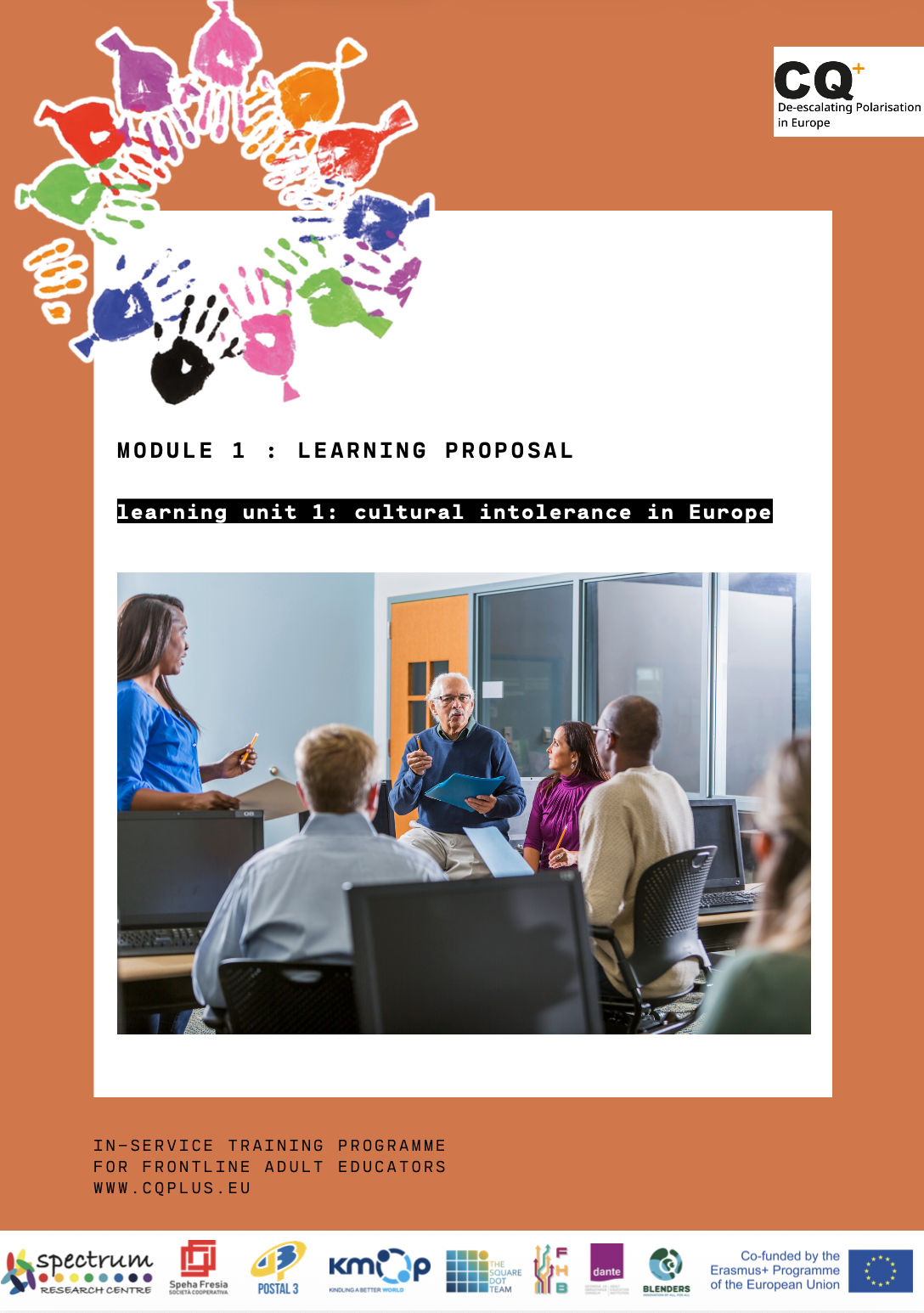
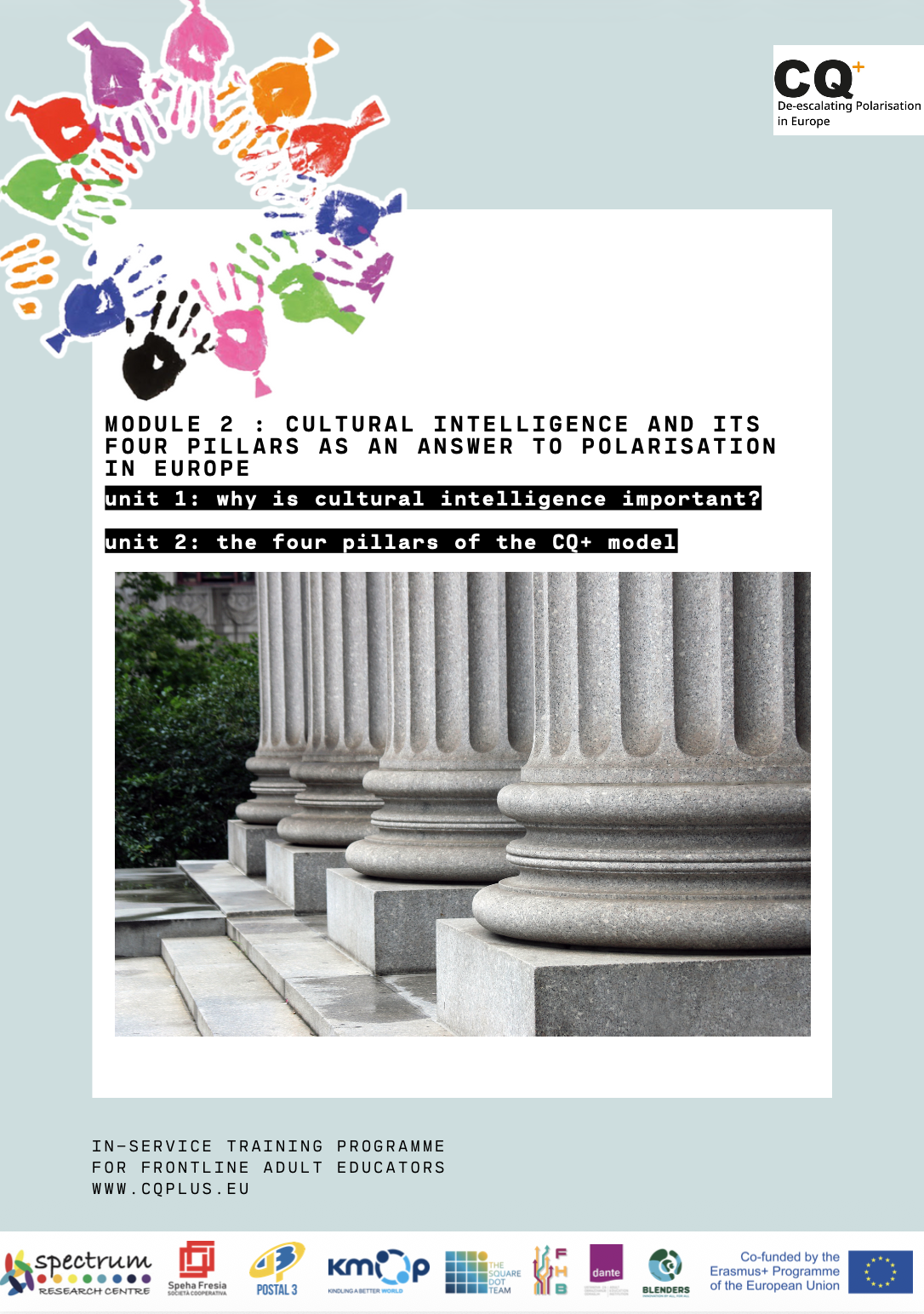
The four modules developed for PR2 – In-service Training Programme for adult educators (cover page)
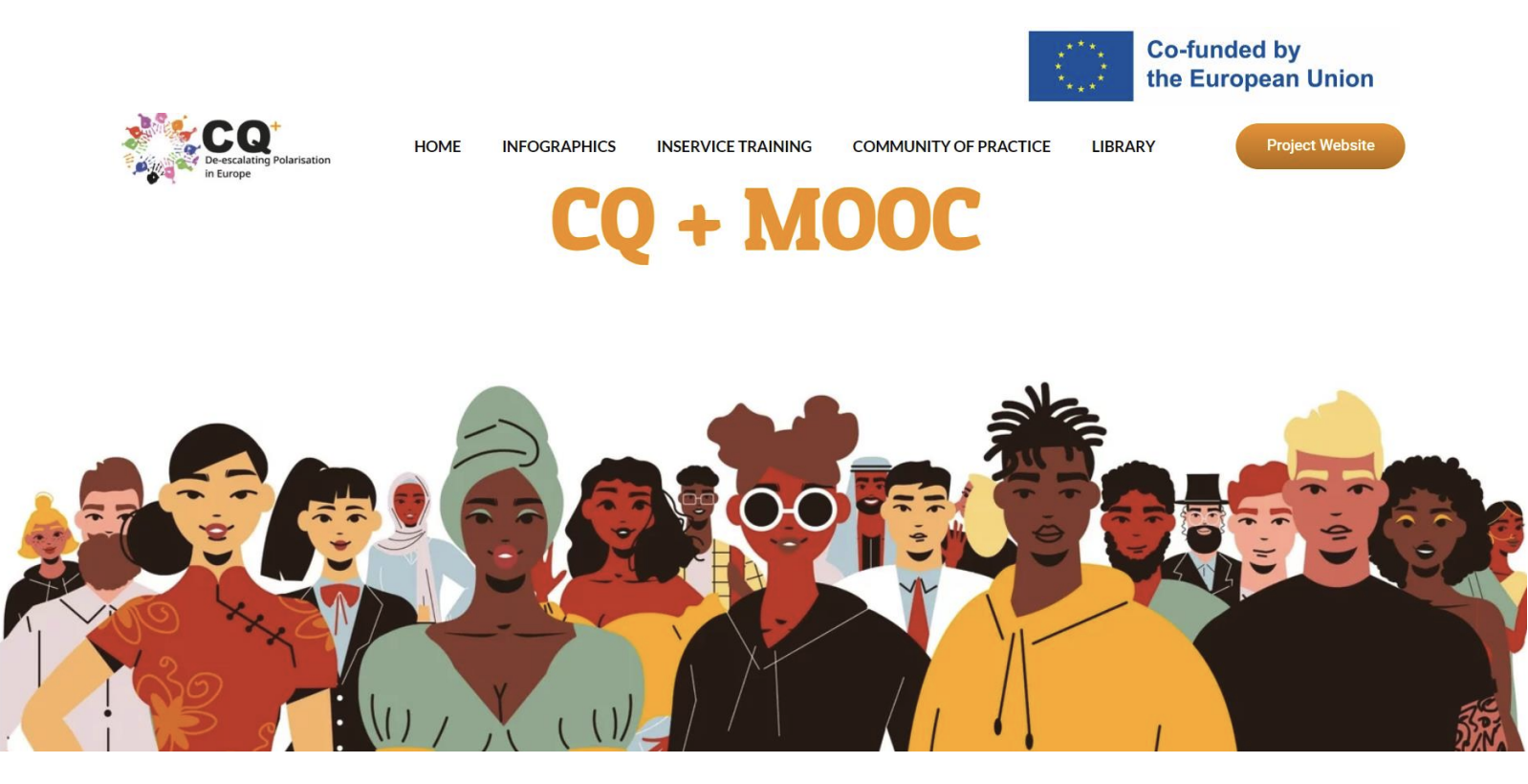
CQ+ MOOC platform (PR3) – Landing page
Results
CQ+ was designed to create connections between content, people and context, and give all people involved opportunities to move from understanding an idea to actually exploring it in practice. The project itself became for us an example of what we were trying to explore. As a consortium of partners from different countries, we brought different perspectives to the project, worked through cultural differences and learned from one another along the way. In that sense, cultural intelligence was not simply a topic we were developing, we were learning and practising it ourselves throughout the process.
CQ+ MOOC platform developed in 7 European languages
20 interactive infographics developed and localised in all partner languages
2 transnational training events delivered in Germany and Croatia
54 adult educators from across Europe completed the in-service training
200 adult educators engaged through the CQ+ Community of Practice
240 adult learners engaged with the Interactive Infographics Toolkit
7+ multiplier events delivered across Europe
160+ participants reached through final multiplier events
70+ stakeholders brought together at the final conference in Belgium