EDUCATION – ERASMUS+
Wifilm
Developing audiovisual content for women in film
PROJECT AREA
Gender equality / Equal opportunities
COUNTRIES
Germany, Ireland, UK, Spain, Portugal, Romania, Cyprus
About the project
The WIFILM project was created in response to the COVID-19 pandemic, when much of the film industry had come to a standstill, using digital education to keep learning, connection, and opportunities moving forward. It also tackled a key challenge: the underrepresentation of women in the film industry. Working with education providers across Europe, we developed a multilingual e-learning platform and audiovisual resources for women pursuing careers in film. Throughout the project, we brought target groups and partners together through training and learning mobility opportunities, sharing experiences, best practices and co-create the project outputs.
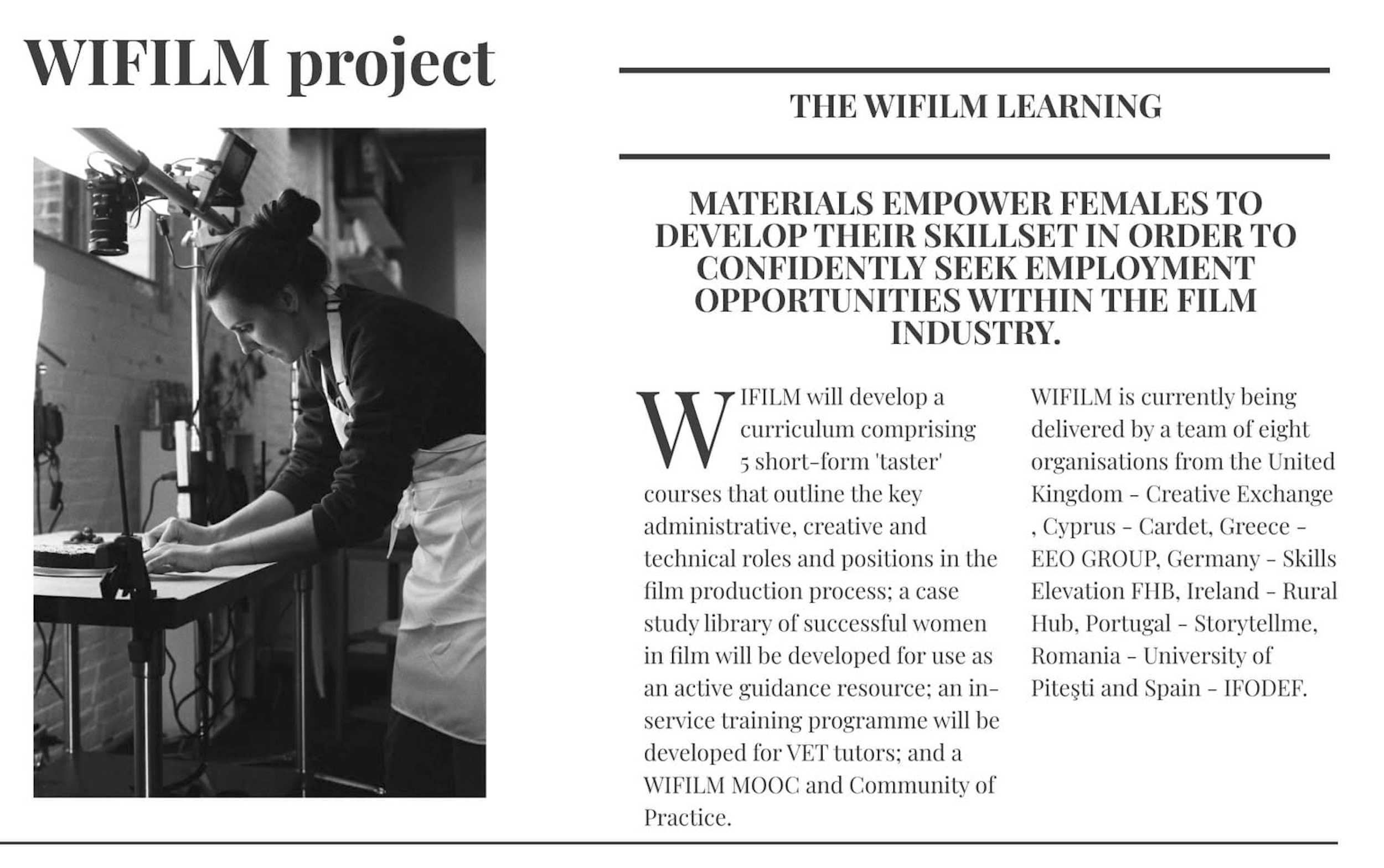
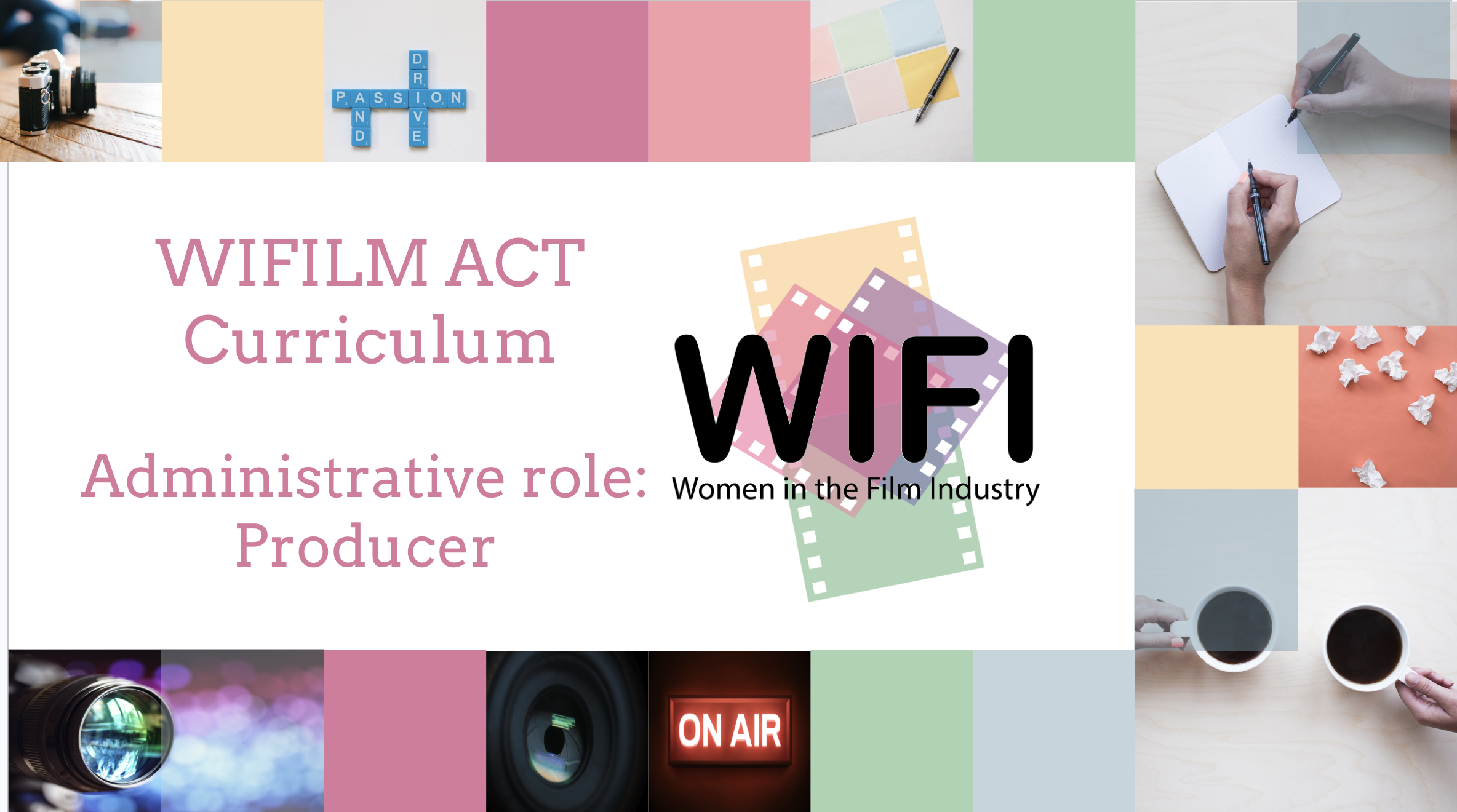
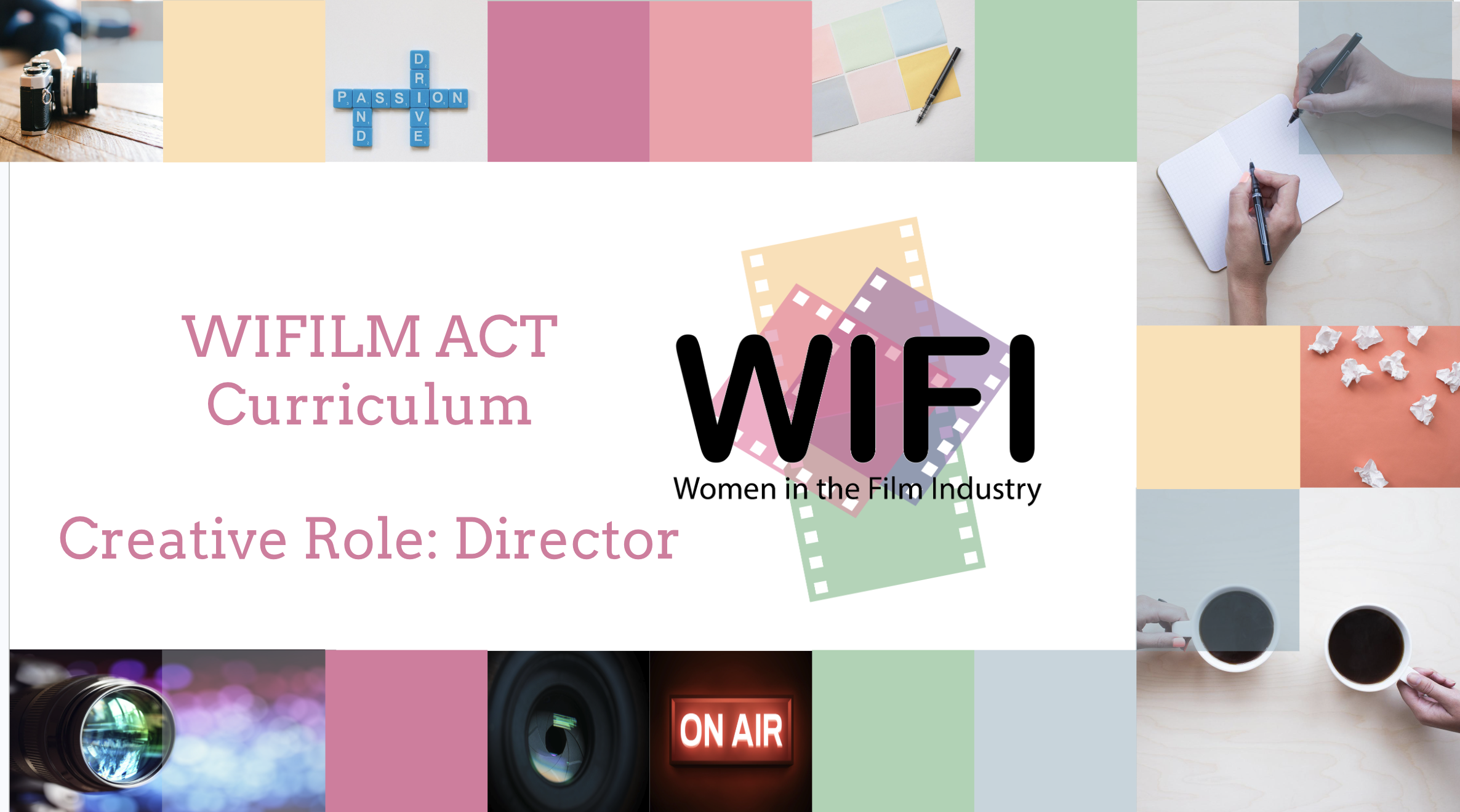
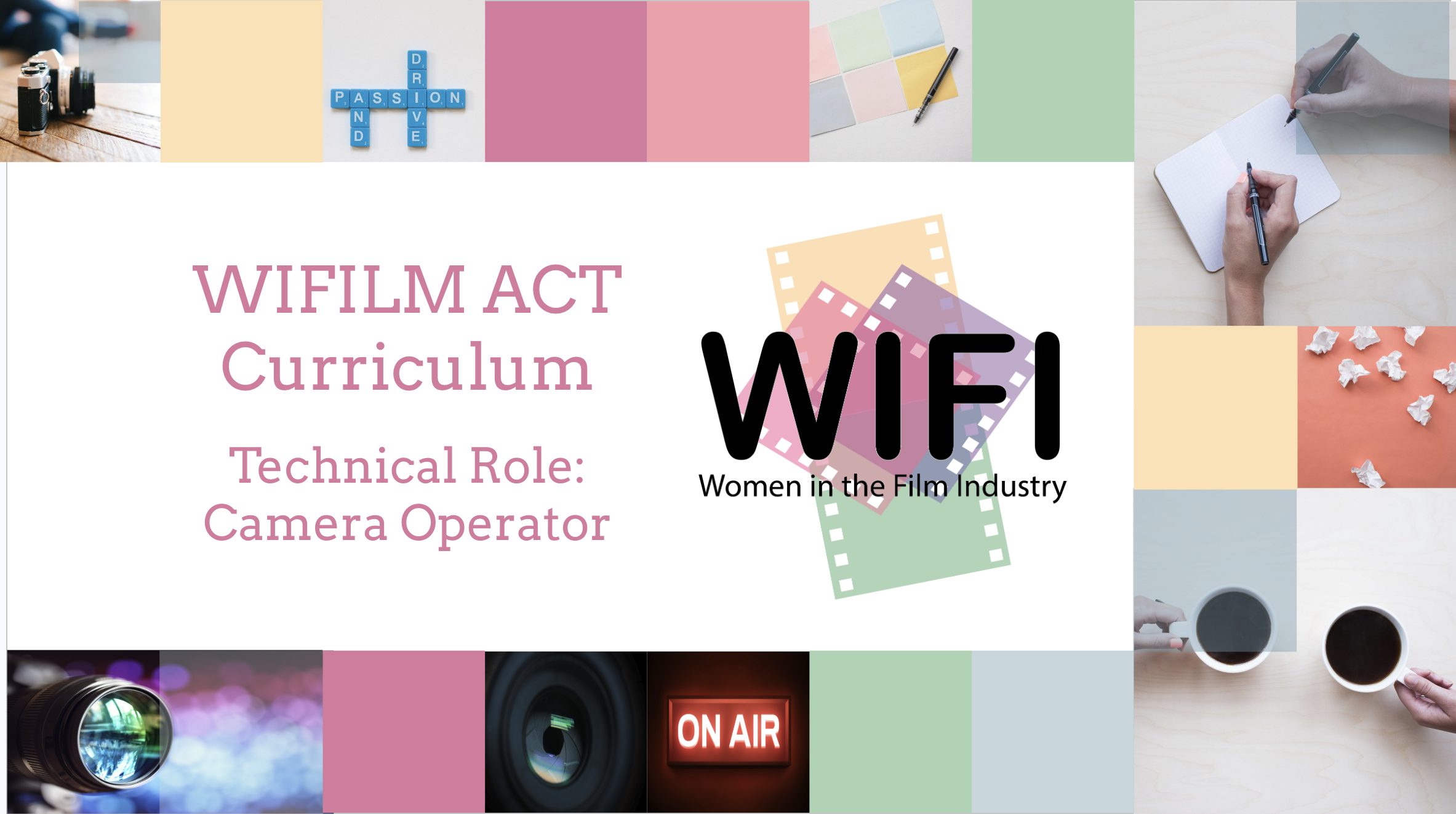
IO1 - A.C.T. Curriculum: selected courses developed for creative, technical and administrative roles (cover page)
My role
As a project partner, I managed the development of the intellectual outputs, coordinating work for IO1 – A.C.T. Curriculum, including development of role-specific tip sheets, presentations and audio resources, as well as for IO2, a Case Study Library featuring video interviews with female professionals from across Europe. I also led the development of the IO3 – WIFILM MOOC, coordinating technical and creative workflows from planning to launch.
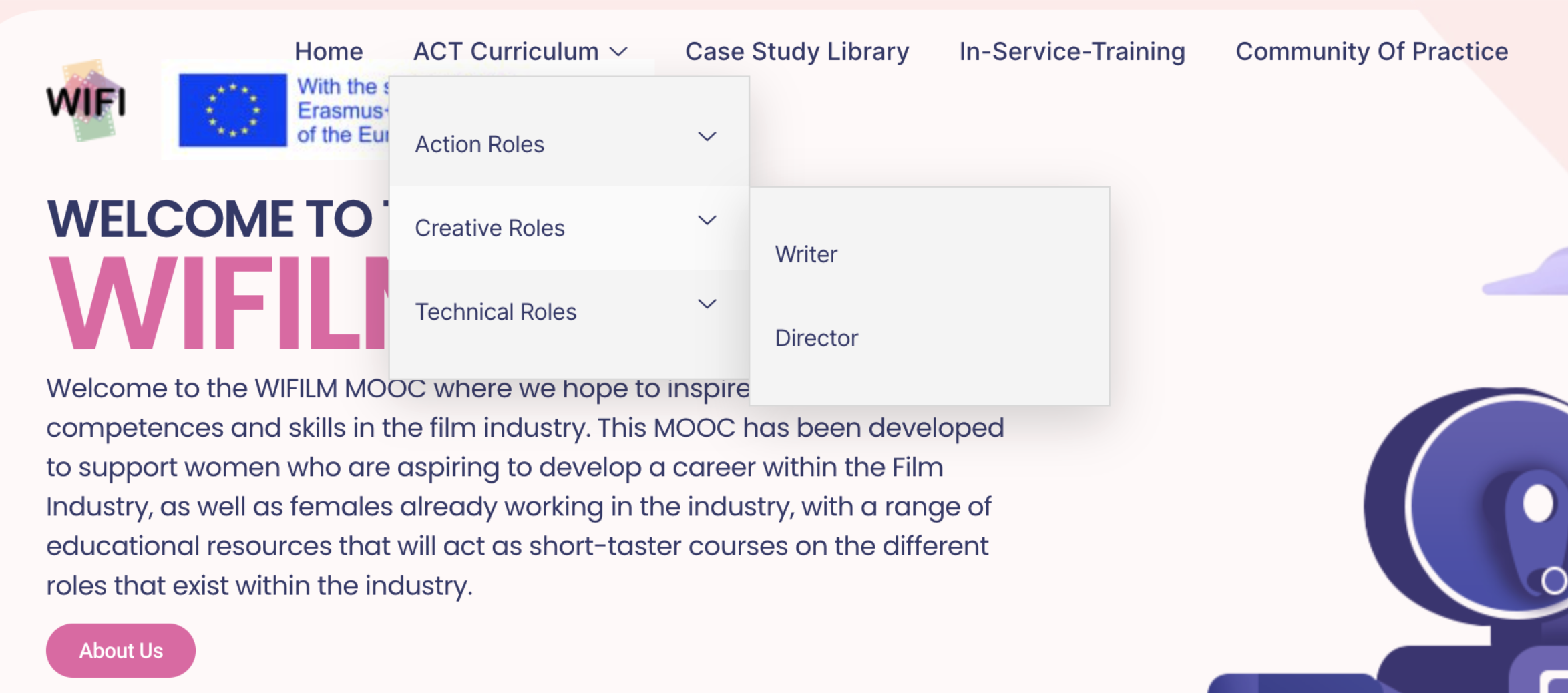
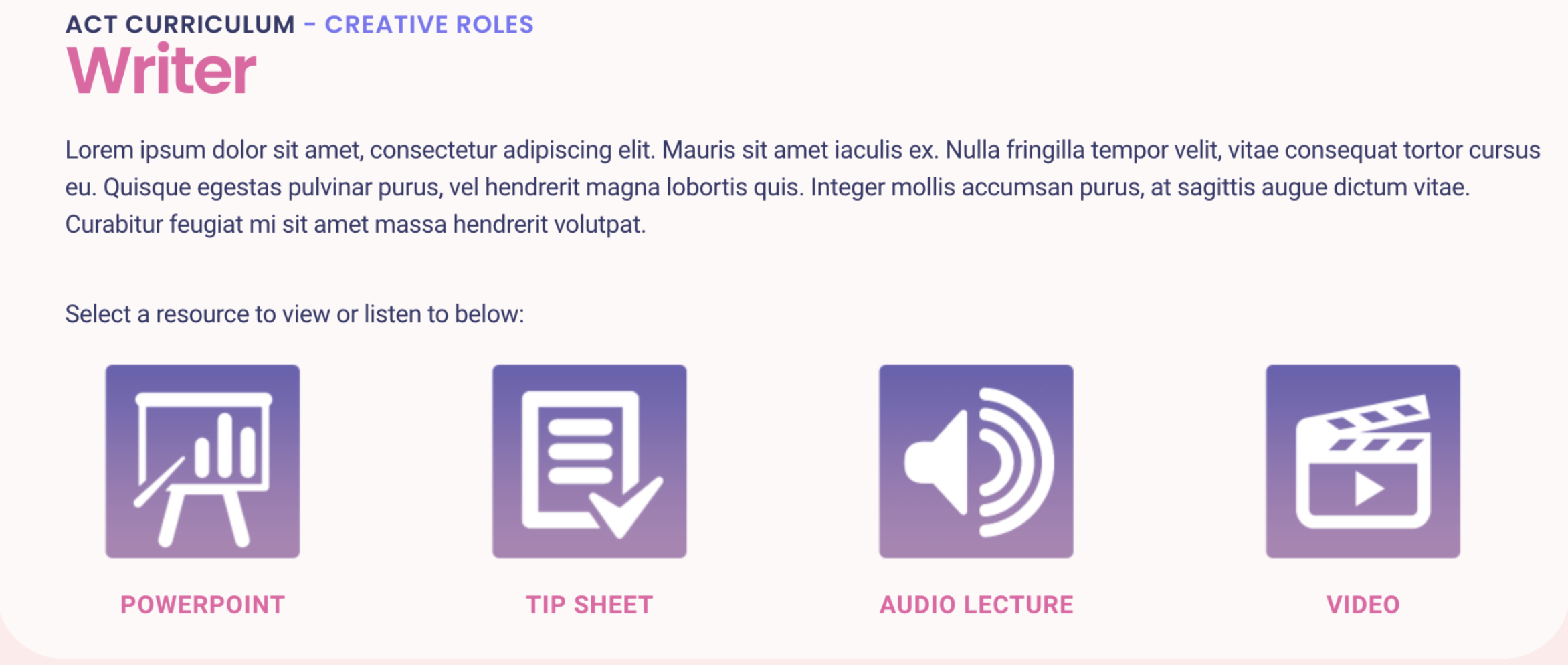
IO3 – WIFILM MOOC platform (Prototype). Early development stage
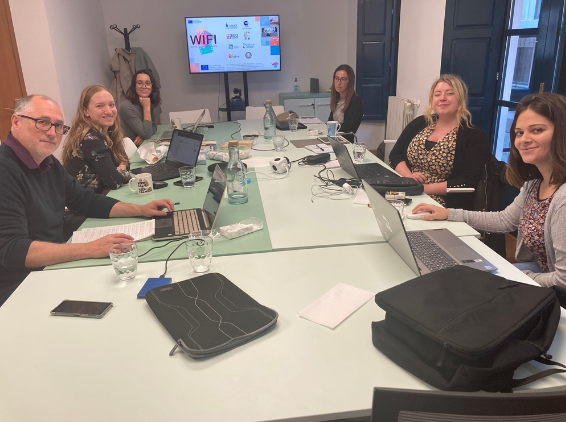
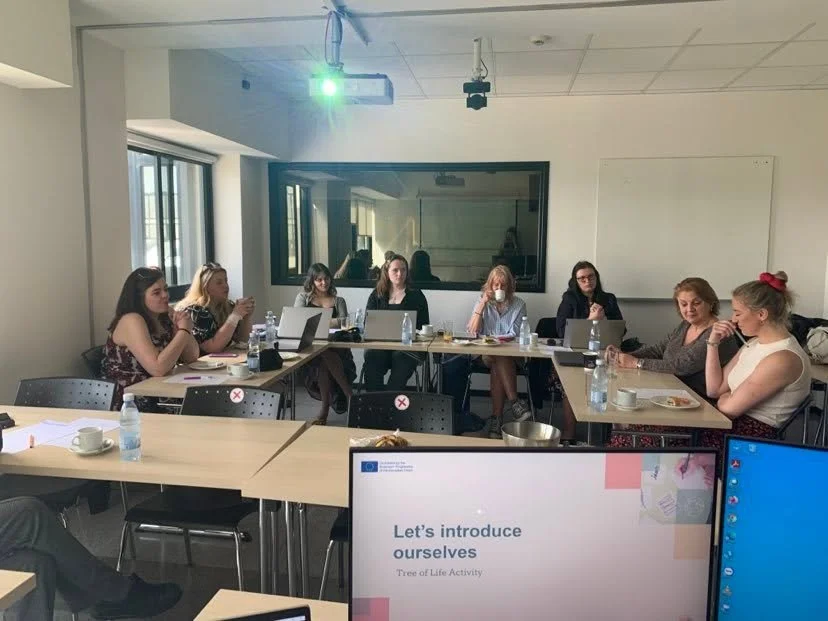
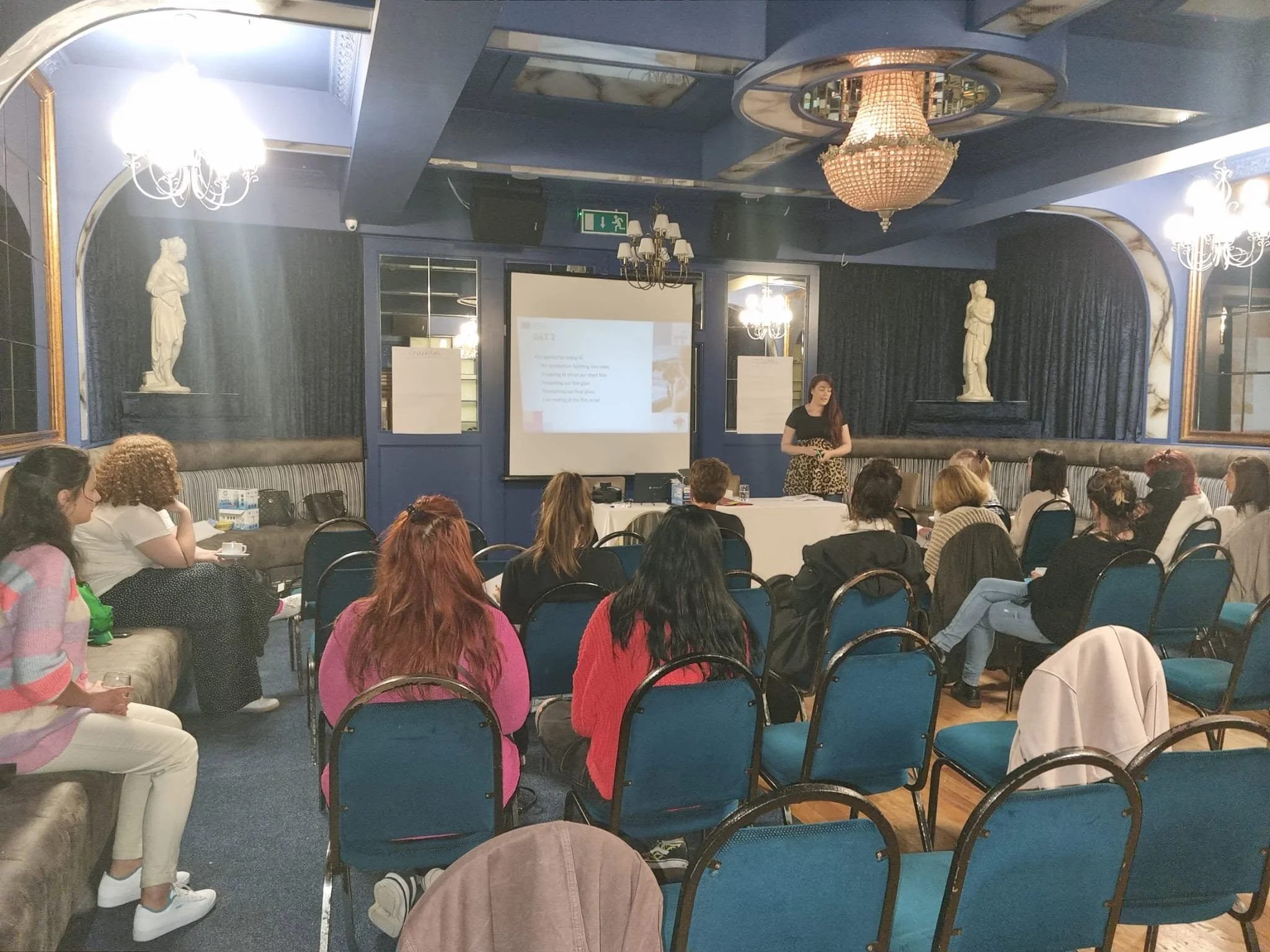
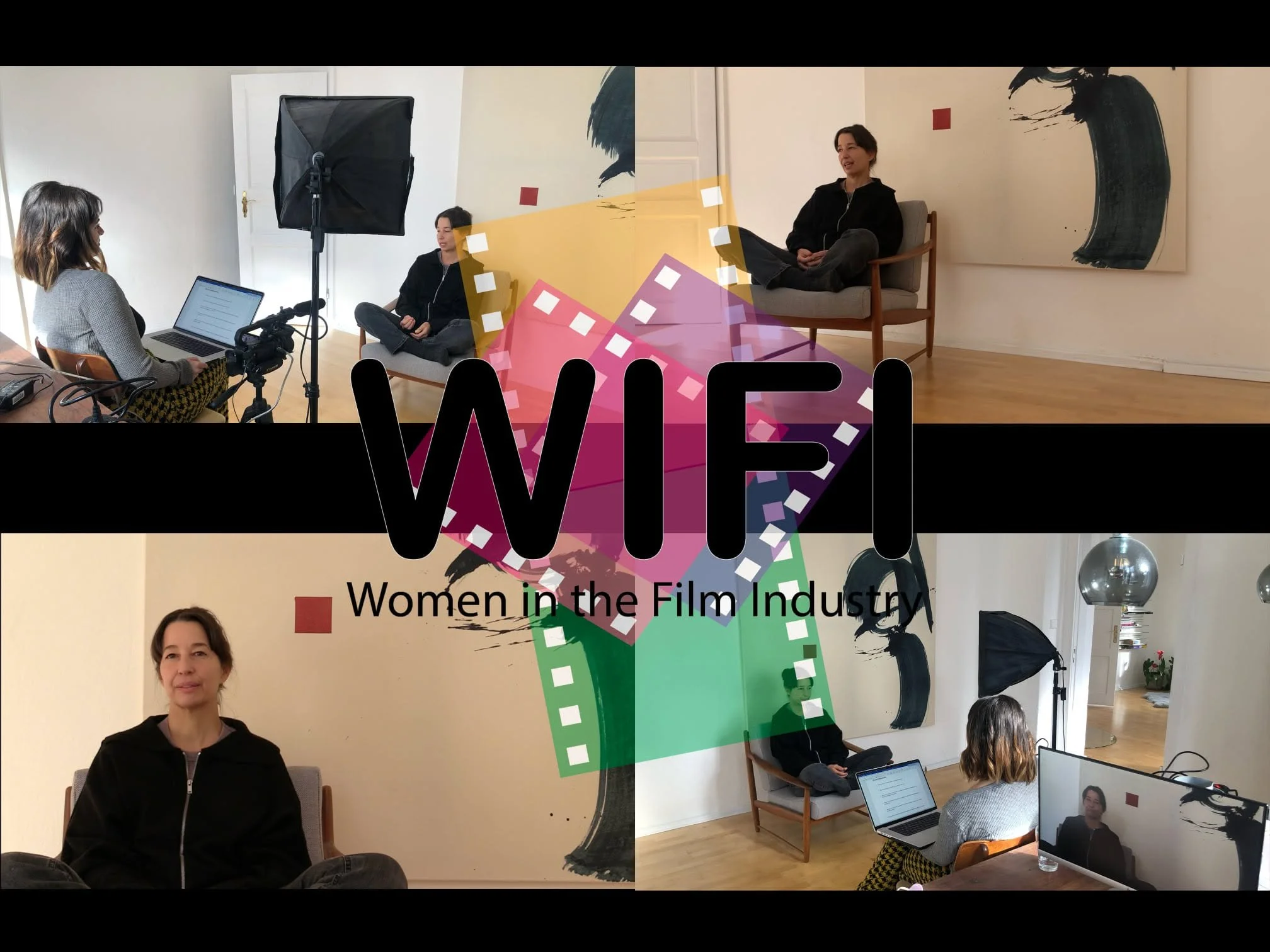
The planning started with defining the value proposition, learning outcomes, resource formats and content guidelines. This created a shared structure for partners to work within, and helped ensure the content would remain consistent. We then translated educational requirements into work plans and WBS for content production, localisation and web development. My role was to keep the different stages of content development moving, connecting the pieces across teams, and keeping timelines and dependencies on track. I also conducted interviews with industry professionals and managed the production of the German case studies (You can see the videos below!).
A big part of the work was turning the resources into real-world learning experiences. We organised training activities with the University of Pitești in Romania and the University of Nicosia in Cyprus, as well as a final training event in Ireland, where we produced a short film. It was nice to bring together people in different parts of Europe and create opportunities to connect, exchange experiences and learn from each other.
Key areas of responsibilities included:
Cross-border Coordination
Content & Output Development
Work Package Management
Stakeholder Engagement
Training & Event Management
IO2 – CASE STUDY LIBRARYFemale professionals in Germany
The Case Study Library featured women professionals from across Europe sharing their experiences of working in the film industry. In Germany, I worked with Natalie and Lisa to produce two case study videos, highlighting the challenges, opportunities and practical advices for women pursuing careers in film. I really enjoyed getting to know their stories and hearing about their experiences first-hand. It was one of the most inspiring parts of the project.
Natalie MacMahone is a German actress, film director, and screenwriter, and founder of the Female Filmmaker Festival Berlin. As a multifaceted artist, she shared insights into her career journey, from finding her way into the film industry to building her own path as a director and screenwriter.
Lisa Hauss is a German Assistant Director with experience in international film productions, including the Berlin-shot Netflix series The Queen’s Gambit. As an experienced professional, she described her personal experience of navigating the industry and building a career behind the camera.
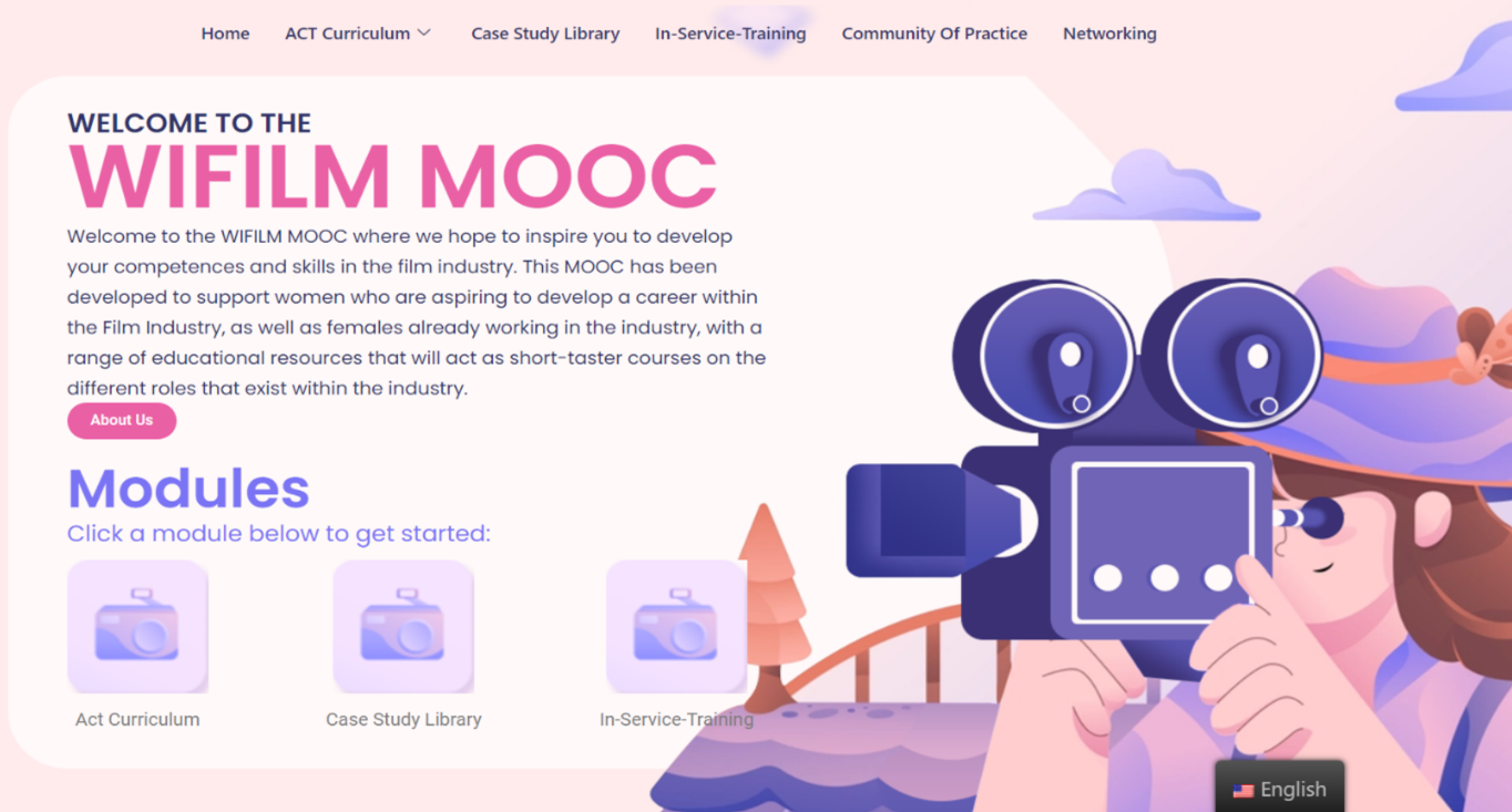
WIFILM MOOC. Final version.
Results
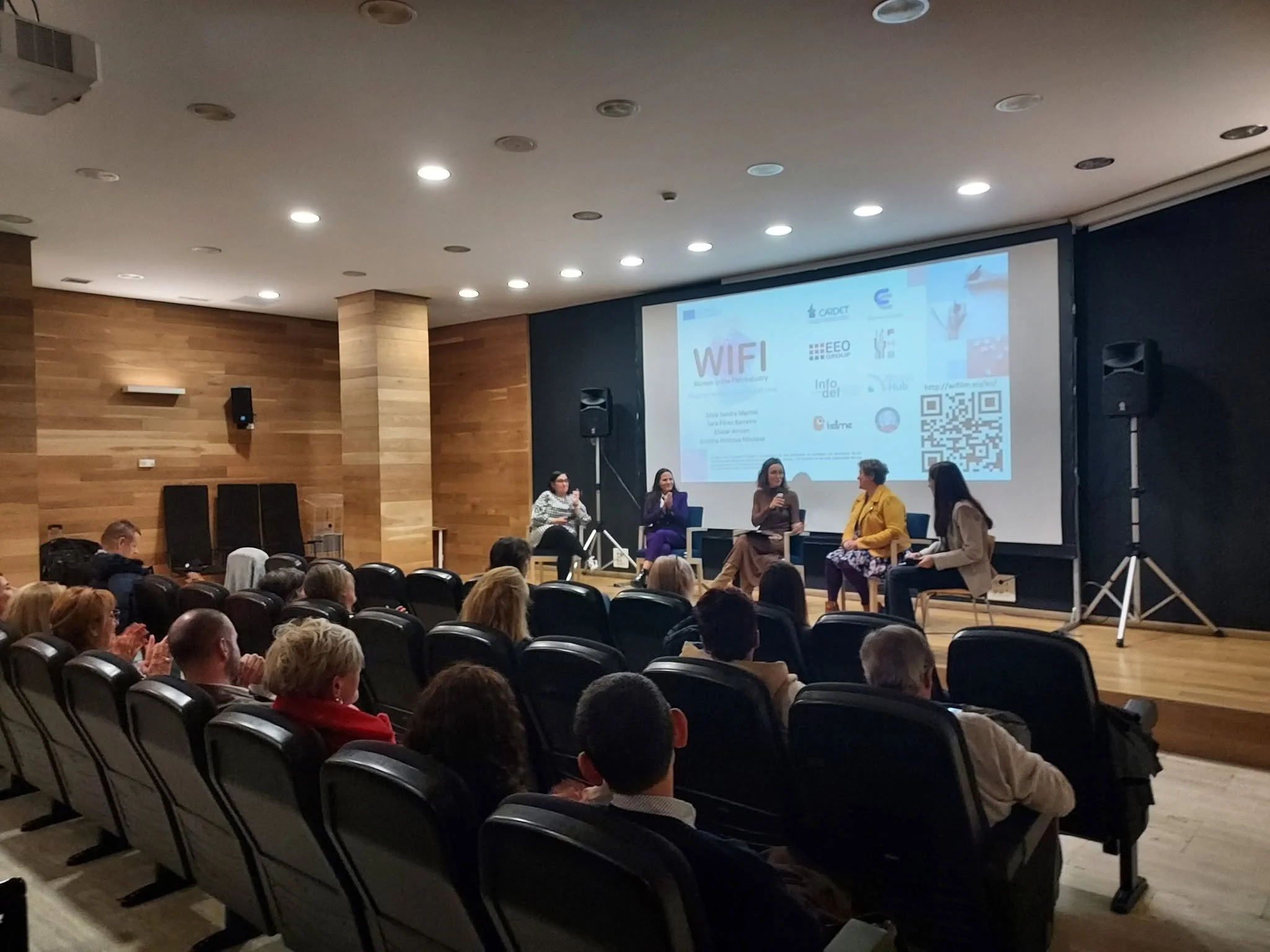
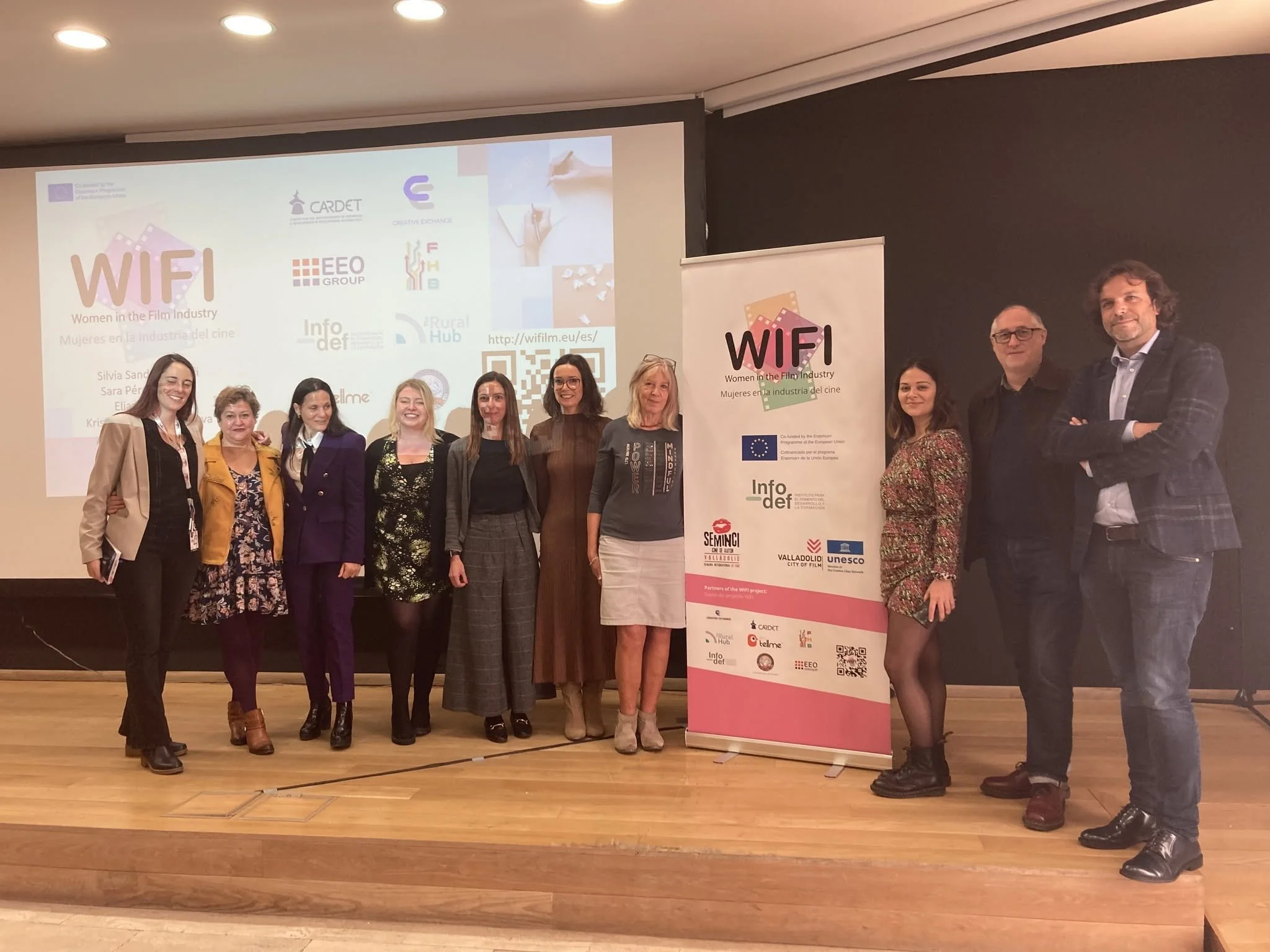
The project was more than a collaborative initiative. It connected educators, industry professionals and learners from across Europe who might otherwise never have met, and inspired young women to explore different paths in film. Seeing the project reach the Seminci Film Festival in Valladolid, Spain, for its final conference, was a particularly meaningful moment, bringing its work into one of Europe’s major film events. In Germany, we also took the project at a local cultural festival, introducing its resources and ideas to young people.
WIFILM MOOC launched in 6 languages
15 taster courses developed
16 case studies produced
3 transnational training events delivered
56 VET tutors targeted
150+ stakeholders reached at Reetzival, Brandenburg
Final conference hosted by Seminci Film Festival